Fire & physical damage
Machine fires, impact, overturn, vandalism, and other damage can require a careful account of the event and the condition of the equipment.
FLORIDA · POLICYHOLDER REPRESENTATION
When a machine is damaged, there is more on the line than the repair bill. Get a clear, documented approach to your equipment insurance claim.
THE CLAIM BEHIND THE MACHINE
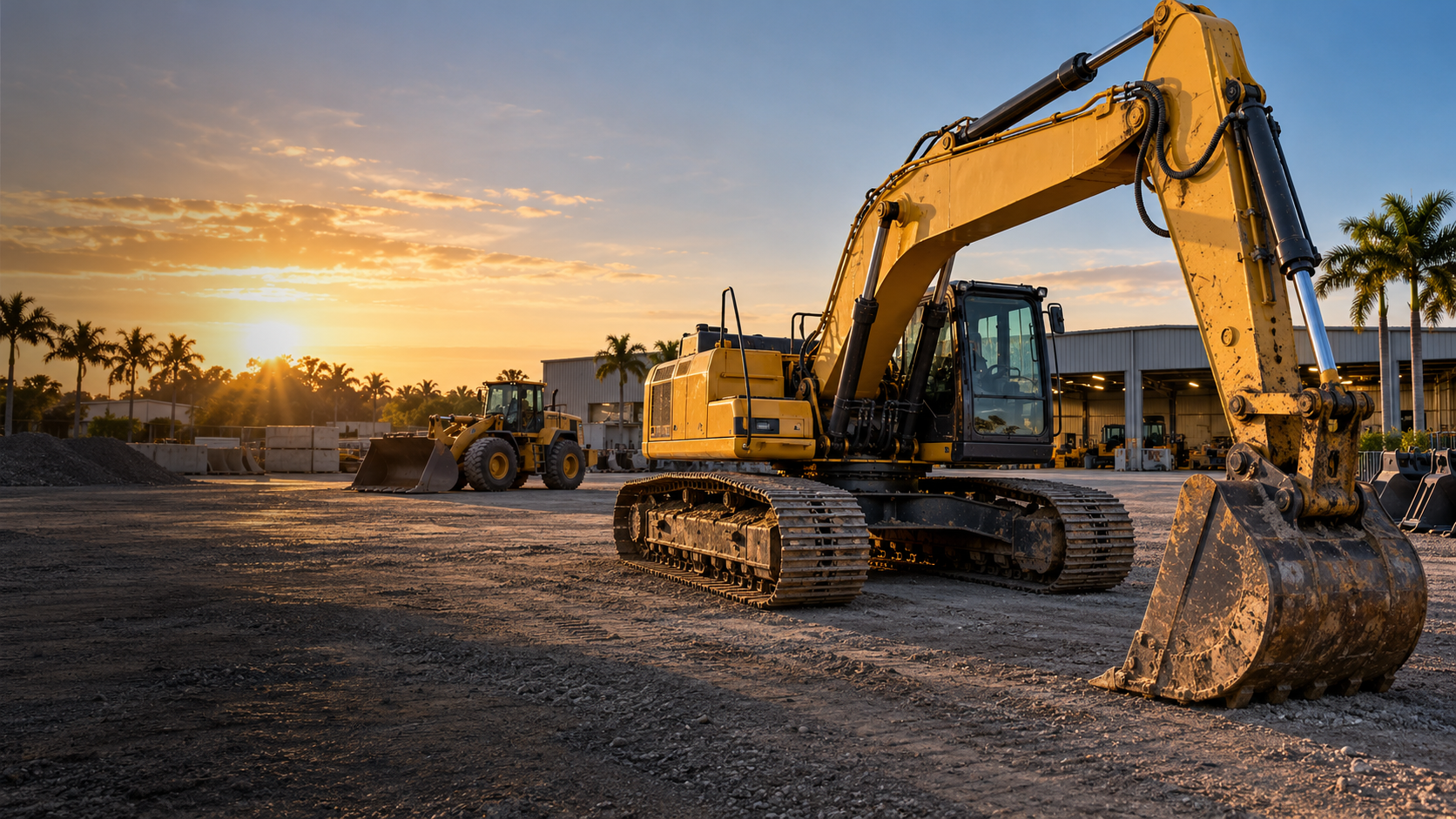
An excavator, crane, loader, or piece of specialized machinery is a working asset. A loss can raise questions about the cause of damage, the right repair, the equipment’s value, and the costs of getting back to work.
Julio C. Ortega of Active Claim Adjusters LLC helps insured owners and businesses organize those questions into a supported property insurance claim. The starting point is the actual policy, the equipment involved, and what happened.
Start a conversationMEET YOUR PUBLIC ADJUSTER
Hear Julio explain how a documented, policy-focused approach can help you understand the next step in your claim.
Speak directly with JulioCLAIM SITUATIONS
These are situations to discuss, not a promise that every event or expense is covered.
Machine fires, impact, overturn, vandalism, and other damage can require a careful account of the event and the condition of the equipment.
Serial numbers, ownership records, tracking history, site access information, and a police report can help document a reported theft.
Where the machine was, how water reached it, and the applicable exclusions or endorsements can be central to the coverage review.
Repair scope, attachments, age, operating hours, prior condition, depreciation, and the policy’s valuation terms all deserve attention.
THE POLICY COMES FIRST
Contractors’ equipment and inland marine policies can treat scheduled machines, unscheduled equipment, and property owned by others differently. Rental agreements, territorial limits, transit terms, and specific endorsements may affect the claim.
Get practical answersIdentify the machine, serial number, attachments, and applicable equipment schedule.
Document the jobsite, storage yard, transit route, or other location at the time of loss.
Check replacement cost or actual cash value terms, limits, deductibles, and any coinsurance requirement.
Keep recovery, transport, temporary rental, and downtime records. Payment depends on the coverage purchased.
A PRACTICAL APPROACH
Clear records. A careful policy review. Representation of the insured’s interests.
Share what happened, the equipment involved, and where the claim stands.
Review the policy and available records; identify missing documents and technical findings.
If representation is agreed, Julio helps document, present, and negotiate the claim on your behalf.
BEFORE WE TALK
A claim is specific to its facts and coverage. These answers help you prepare for the conversation.
It depends on the policy and where the equipment is used. Contractors’ equipment or inland marine coverage may address mobile equipment that moves between jobsites. Start with the complete policy and equipment schedule, not a coverage assumption.
Yes. Bring the rental or lease agreement, the equipment details, and any policy or insurance documents. Coverage for property owned by others can have separate terms, limits, and reporting requirements.
Not automatically. Rental expense, continuing rental charges, loss of income, and other related costs need their own policy review. Keep the records so a potentially covered cost is not overlooked.
You can discuss the offer, the supporting estimate, and any unresolved damage with Julio. The policy, evidence, deadlines, and any signed release affect the available options. A different payment is not guaranteed.
Julio’s role is claim representation for the insured. Qualified equipment professionals should provide technical diagnostics, repair recommendations, and safety decisions.
The proposed services and fees are explained for your particular claim and set out in a written agreement before representation begins.
START WITH A CONVERSATION
Tell Julio what happened, which machine was involved, and the current claim status. Start with a conversation about whether representation is right for you.
Please keep policy numbers, identification, and sensitive claim records out of your first email. Arrange document sharing directly with Julio.